
Free Heat Pump Estimate
keeping Central Scotland warm & cosy since 2019
RCA Plumbing & Heating working with the UK's most trusted brands


Start your heat pump journey here!
Fill up the below form to get access to your free heat pump estimate.
Get in touch
RCA Plumbing & Heating
Phone : 01259 929 952
Please use the form or existing customers can respond to our previous email
RCA Plumbing & Heating,
55 Westview Cres,
Tullibody, Alloa
FK10 2TN
Follow our social networks
Warming Scottish homes since 2019
FORTH VALLEY'S Heat Pump Installers
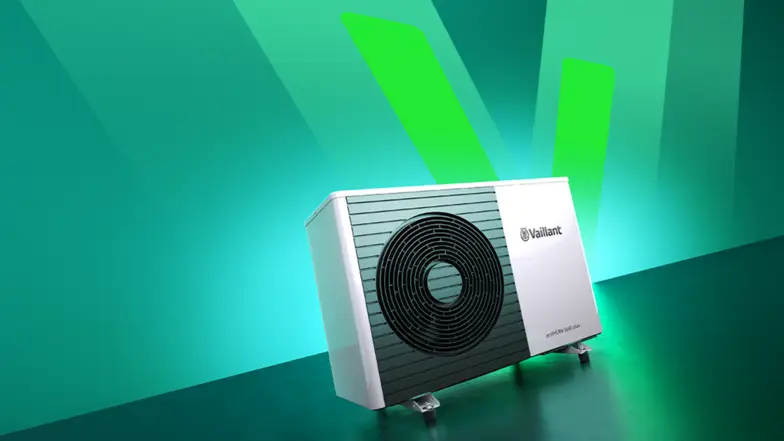
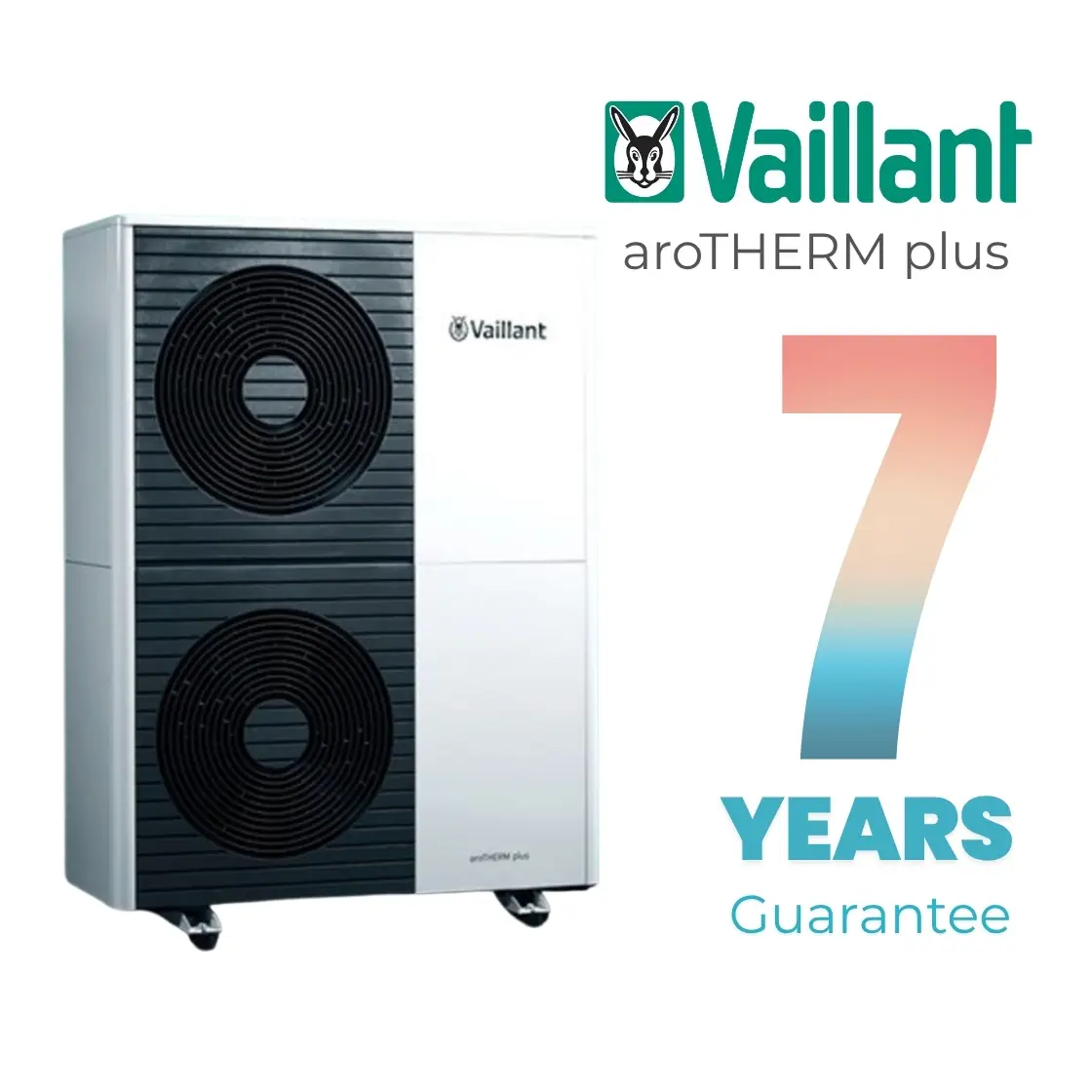
Vaillant Accredited Installers
We are proud to be Heat Geek Accredited and Vaillant MasterTech Installers, offering expert heat pump services to customers across Stirling, Alloa, Falkirk, Dunblane, Perth and the surrounding areas.
Our accreditation means that our engineers have completed advanced technical training in low-temperature system design and installation, ensuring your heat pump is installed to the highest standards. As approved Vaillant installers, we work with some of the most reliable and efficient air source heat pumps on the market today.
Whether you’re looking to reduce your energy bills, lower your carbon footprint, or future-proof your home’s heating, our team is here to help with straightforward advice and quality workmanship.
Why choose RCA Plumbing & Heating for your heat pump installation?
Why Choose us
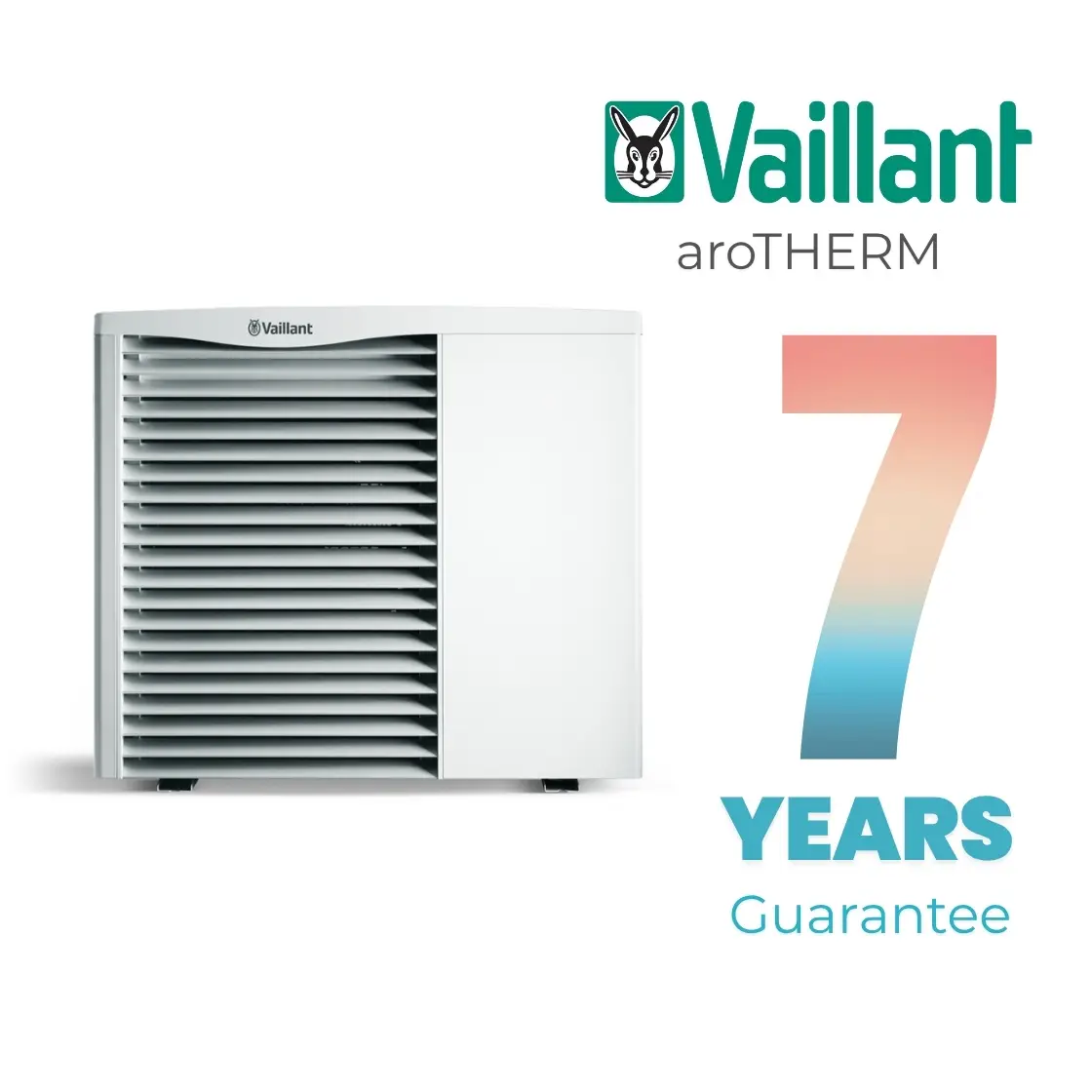
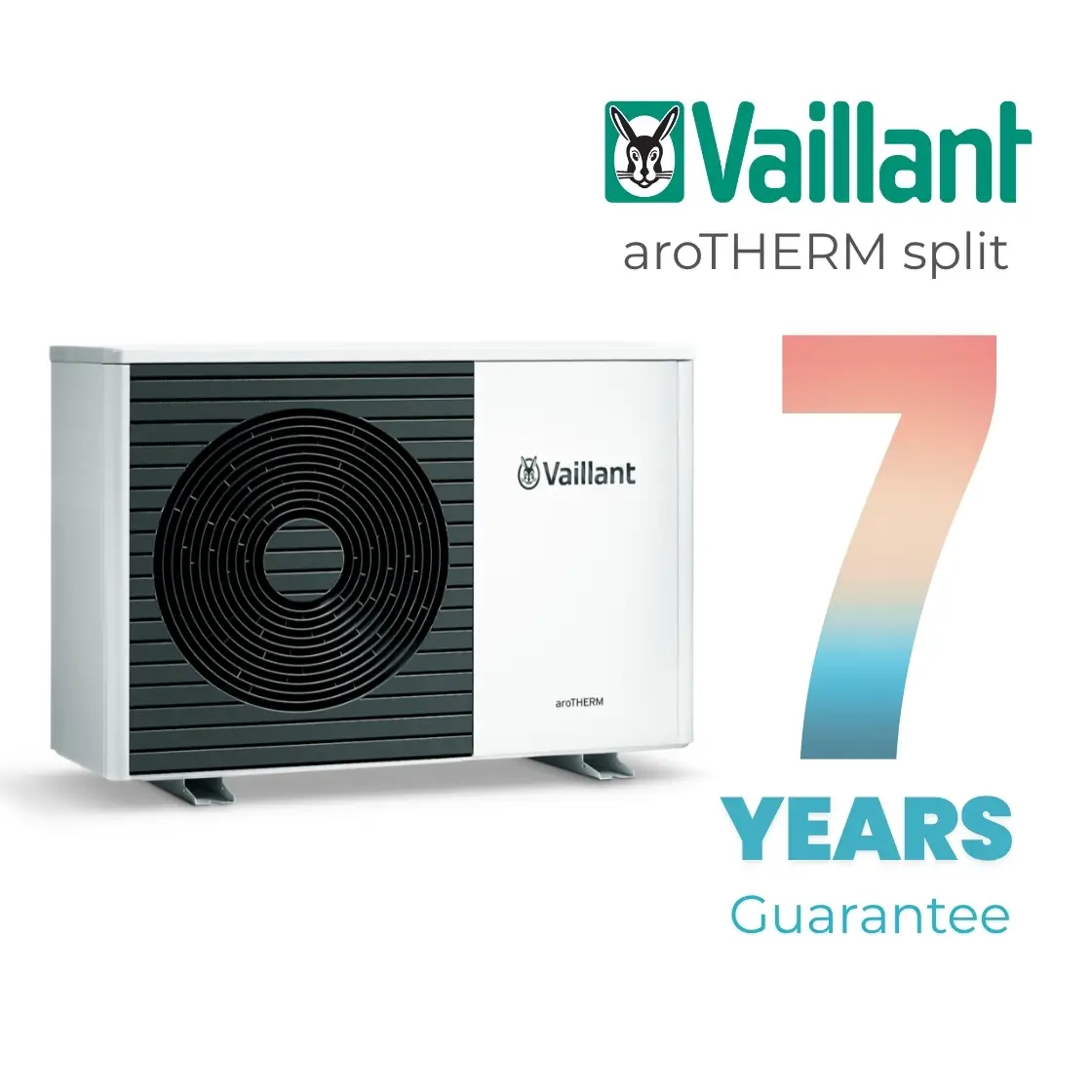
A heat pump range for every Scottish home & family budget!
How it works
Roadmap to Your Heat Pump Installation
Tell us a bit about your home and we’ll give you a free estimate in less than 2 minutes
One of our experts will visit to measure your homes heat loss and check what’s needed to for maximum efficiency.
We’ll send you a clear, no-jargon quote so you know exactly what to expect.
Our friendly team will install your new heat pump with care and attention.

Meet Forth Valley's most reviewed boiler, heat pump service & installation specialists with over 300+ people saying nice things!
Read what other locals say about their RCA Plumbing & Heating journey
case studies
Our Recent Heat Pump Projects
FAQ
Forth Valley's Heat Pump questions answered!
All the big Heat Pump questions answered below
The Boiler Upgrade Scheme (BUS) is a great opportunity for homeowners and small businesses in the UK to reduce the upfront cost of installing eco-friendly heating systems. This government initiative offers £7,500 grants for air source and ground source heat pumps, making it easier to switch to low-carbon options. There’s also a £5,000 grant available for biomass boilers.
To take advantage of the scheme, all you need to do is work with an MCS-certified installer. They’ll apply for the grant on your behalf, so the savings are applied directly to your installation costs. The scheme is open to homeowners and small property owners in England and Wales and has been extended to run until 2028.
This initiative is designed to help you reduce your energy bills and your carbon footprint, making your home more sustainable in the long run.
Applying for the Boiler Upgrade Scheme (BUS) is a straightforward process, and we’ll guide you through it step by step:
Find an MCS-Certified Installer: First off, you’ll need to choose an installer who’s registered with the Microgeneration Certification Scheme (MCS). Don’t worry, they’ll handle the paperwork!
Get a Quote: Your installer will come round, assess your property, and provide a quote for installing your new heat pump or biomass boiler. They’ll also check if you qualify for the grant.
Installer Applies for You: Once you’re happy with everything, the installer submits the grant application on your behalf through Ofgem. You don’t have to fill out any forms yourself.
Grant Applied to Your Costs: If approved, the £7,500 grant is deducted from the overall cost, so you pay less upfront.
Confirmation: Ofgem will get in touch with you to confirm you’re ready to proceed. Once everything’s confirmed, the installer gets started on your new eco-friendly heating system.
It’s a hassle-free process, making it easier and more affordable for you to switch to low-carbon heating.
Air Source Heat Pumps (ASHPs) are a great energy-saving solution for your home. They pull heat from the outside air, even in cold weather, and bring it indoors to keep your space warm and cosy. They work efficiently in temperatures as low as -15°C, making them ideal for the UK's chilly winters.
One of the big advantages of ASHPs is their efficiency. For every unit of electricity they use, they can generate up to three or four times that amount in heat. So not only will you stay warm, but you’ll also see savings on your energy bills.
To get the most out of an ASHP, it’s important that it’s installed correctly and that your home is well insulated. This ensures the system runs at its best, keeping you comfortable all year round.
The cost of running a heat pump depends on a few things, like the type of system, the size of your home, and local electricity rates. In general, Air Source Heat Pumps (ASHPs) are cheaper to install but might cost a little more to run than Ground Source Heat Pumps (GSHPs), especially when it’s really cold, as ASHPs have to work harder.
On average, you can expect an ASHP to cost between £500 to £1,000 per year to run, while a GSHP may cost between £400 to £700 per year, thanks to their higher efficiency. That said, both options can lead to big savings on your energy bills compared to traditional gas or oil heating, particularly if your home is well insulated.
The running costs are also influenced by the coefficient of performance (COP), which measures how efficiently your heat pump converts electricity into heat. The better the insulation and the more efficient the system, the more you’ll save in the long run.
When it comes to heat pumps, the main difference between Air Source Heat Pumps (ASHP) and Ground Source Heat Pumps (GSHP) is where they draw their heat from.
Air Source Heat Pumps grab heat from the air outside—even when it’s chilly—and use it to warm your home and water. They’re generally easier and cheaper to install, making them a popular choice. However, they can be a bit less efficient during those freezing winter days.
Ground Source Heat Pumps, on the other hand, pull heat from the ground through pipes buried underground. These systems are more efficient, especially in colder weather, but they need more space and can cost a bit more to install due to the digging involved.
Both are eco-friendly alternatives to traditional heating, helping you reduce your carbon footprint while keeping your home toasty.
When it comes to heating your home, there are some key differences between Air Source Heat Pumps (ASHPs) and traditional boilers.
Heat Generation: An ASHP pulls heat from the air outside—even when it’s cold—and transfers it into your home. Boilers, whether gas or oil, burn fuel to produce heat directly.
Efficiency: ASHPs are more efficient, often producing 3-4 units of heat for every unit of electricity used. Boilers, especially older ones, aren’t as efficient, converting less fuel into heat.
Running Costs: With proper insulation, ASHPs tend to be cheaper to run, whereas boilers come with higher fuel costs, depending on gas or oil prices.
Environmental Impact: ASHPs are the greener option, especially when powered by renewable energy, as they significantly reduce carbon emissions. Boilers, on the other hand, emit more CO₂, particularly those running on fossil fuels.
In short, ASHPs are a more eco-friendly and cost-effective choice in the long run, though they have higher upfront installation costs. Boilers are cheaper to install but will cost more to run over time, and they aren’t as environmentally friendly.
When choosing a heat pump, the key difference between air-to-water and air-to-air heat pumps is how they warm your home.
Air-to-Water Heat Pumps: These systems take heat from the air outside and transfer it into water, which is then used to heat your home through radiators or underfloor heating. They also provide hot water for your taps. If you already have a water-based central heating system, this is a great option. Plus, they work well in colder weather with the right insulation.
Air-to-Air Heat Pumps: Instead of using water, these units transfer heat directly from the outside air into warm air inside your home. They are ideal for homes without radiators and typically distribute heat through fans or ducts. As a bonus, they can also cool your home in the summer by reversing the process.
Efficiency and Cost: Both options are energy efficient. Air-to-water systems are more versatile since they handle both heating and hot water, while air-to-air systems are simpler and cheaper to install but only provide heating (or cooling in summer).
In short, if you need both heating and hot water, an air-to-water system is your best bet. For straightforward heating or cooling, an air-to-air system is a good, cost-effective choice.
Heat pumps, especially Air Source Heat Pumps (ASHPs), do create some noise, mainly from the external unit where the fan and compressor are located. On average, the noise is around 40 to 60 decibels—similar to the sound of a modern fridge or light rain. The exact noise level depends on the model, how it’s installed, and where it's placed.
While you may notice it when standing close to the unit, modern ASHPs are designed to be quieter. Many are installed away from bedrooms or living areas to minimise any disturbance. On the other hand, Ground Source Heat Pumps (GSHPs) are generally much quieter because most of the equipment is underground or indoors.
To reduce any potential noise, it's important to ensure the heat pump is installed in the right spot—away from windows or sensitive areas. Plus, all heat pumps must meet noise regulations, so you won’t have to worry about them being a nuisance in residential areas.