
Paying for a heat pump · Scotland
The new Warm Homes Loan: how to pay for a heat pump in Scotland
On 27 October 2026, the UK government launched the Warm Homes Loan Scheme. It’s a new way to spread the cost of a heat pump, solar panels or a battery with low or no-interest loans, and it’s open to homeowners in Scotland too.
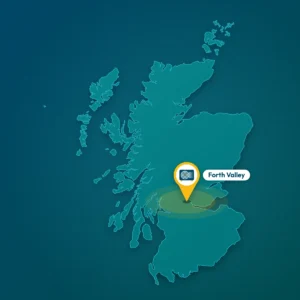
We’re RCA Plumbing & Heating, MCS certified heat pump installers covering Stirling, Falkirk, Alloa and the Forth Valley. Here’s how the new loan works and how it fits with the Home Energy Scotland grant.
The short version
- It’s a loan, not a grant. You borrow from an approved lender and pay it back.
- It sits on top of the support already in Scotland. Start with the Home Energy Scotland grant, which you don’t pay back.
- You need to own your home, and the work must be done by an MCS certified installer.
- Ten lenders are offering it so far, so you can shop around.
What is the Warm Homes Loan?
The government doesn’t lend you the money itself. Instead, it supports approved lenders so they can offer cheaper loans for home energy upgrades. The government says this means up to a 5 per cent cut in interest compared with a normal loan, and some lenders are offering loans with no interest at all.
Its own example: on a £10,000 loan, the scheme could save up to £285 a year on repayments.
| Upgrade | Most you can borrow |
|---|---|
| Air source heat pump (air to water) | £20,000 |
| Ground source heat pump | £35,000 |
| Solar panels | £15,000 |
| Home battery | £15,000 |
Who can use it?
You can apply if
- you own the home, with or without a mortgage
- it’s a home in the UK, not a business property
- the work is done by an MCS certified installer
- you pass the lender’s credit and affordability checks
Watch out for
- Starting work before your Home Energy Scotland grant offer arrives, which means losing the grant
- Comparing only monthly payments. Look at the total you’ll repay.
- Lenders tied to particular installers. Some let you choose any MCS certified installer and some don’t.
- Hybrid heat pumps, which the Home Energy Scotland grant doesn’t fund
How it fits with the Home Energy Scotland grant
In Scotland, the Home Energy Scotland Grant and Loan is still the place to start. The grant is free money, and its loan is interest-free. The Warm Homes Loan is extra help on top, useful if your project costs more than the grant and Home Energy Scotland loan cover, or if you want to add solar panels or a battery at the same time.
| Home Energy Scotland | Warm Homes Loan | |
|---|---|---|
| What it is | Grant plus optional loan | Loan only |
| Heat pump amount | Grant up to £7,500 (£9,000 rural), loan up to £7,500 | Loan up to £20,000 |
| Interest | The loan is interest-free | Low or no interest, depending on the lender |
| Who you apply to | Home Energy Scotland | A participating lender |
| Timing | Written offer needed before work starts | Lender approval before you sign up |
Funding rules change and each lender sets its own terms, so check how the two fit together with Home Energy Scotland and your lender before you commit. Our step-by-step guide to the Home Energy Scotland grant covers the grant in detail.
How to use it, step by step
Get free advice
Call Home Energy Scotland on 0808 808 2282 to check what grant and loan you can get.
Get a proper survey and quote
An MCS certified installer like us works out the right system for your home and gives you a fixed quote.
Apply for the grant first
Wait for your written Home Energy Scotland offer before any work starts.
Compare Warm Homes lenders
If you need to borrow more, compare the lenders’ rates, terms and total repayable, then apply to the one that suits you.
Installation and paperwork
Once the work is done, keep your quote, finance agreement, invoice and MCS certificate safe.
Check your tariff
A heat pump tariff or time-of-use tariff can cut your running costs further.
Which lenders are taking part?
At launch, the government listed ten lenders: HomeServe Finance, Hometree Finance, The Money Co-Op, Propensio, Secure Trust Bank, Selina Finance, South Manchester Credit Union, Sunsave Energy, Tandem Bank and This Bank.
See the current list on GOV.UK. Contact lenders directly about their rates and checks.
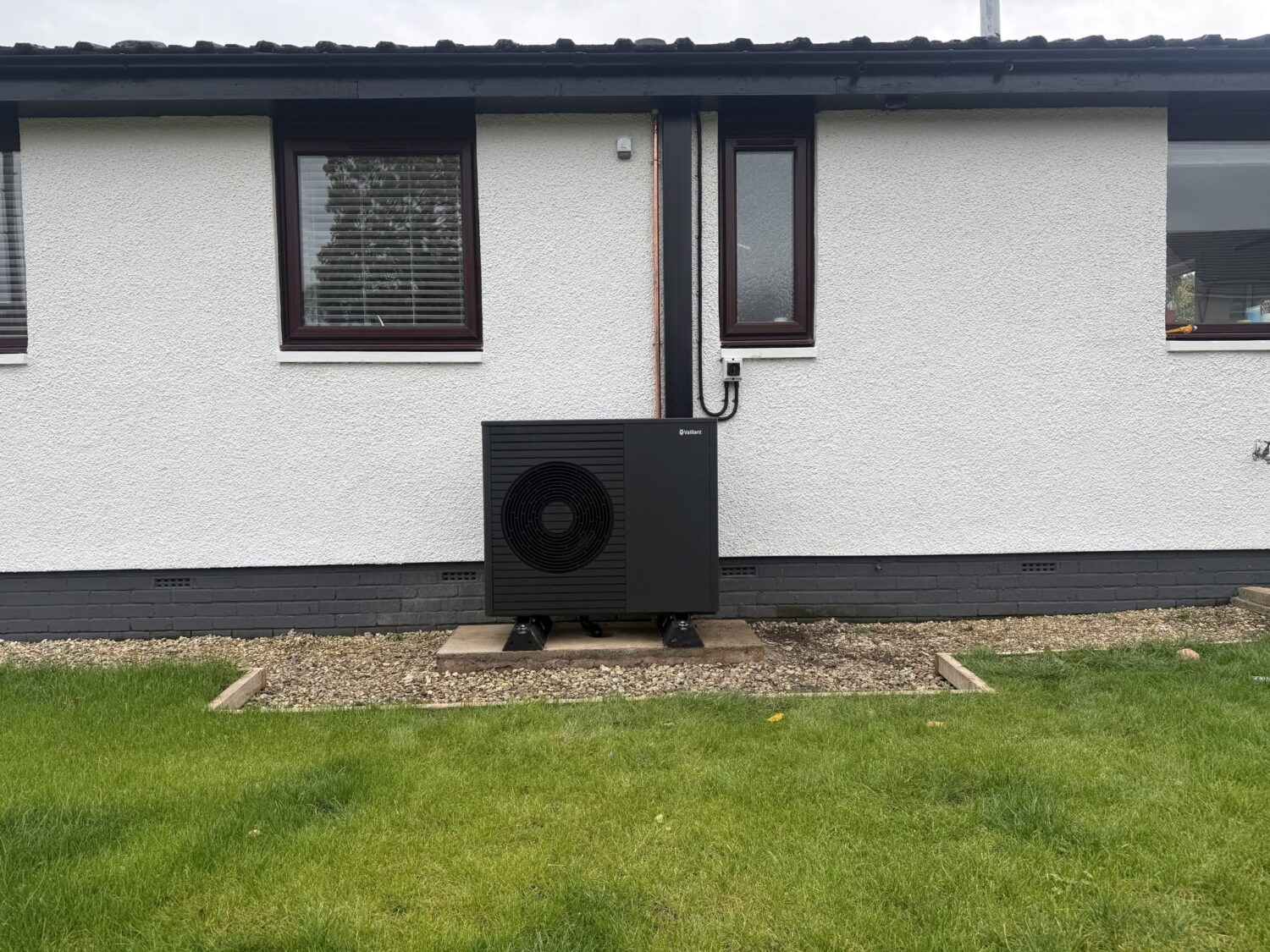
The government says a heat pump, battery and solar panels together could save households up to £550 a year on energy bills, and up to £300 more on a time-of-use tariff. Our Menstrie customers did exactly that combination when they moved off gas.
Questions we get asked
Is the Warm Homes Loan a grant?
No, it’s a loan you pay back. The free money in Scotland is the Home Energy Scotland grant.
Can I get it in Scotland?
Yes. The government says the loans are available to households across the whole UK, including Scotland.
Can I use RCA as my installer?
We’re MCS certified, which the scheme requires. Some lenders work only with their own partner installers, so check that your lender lets you choose any MCS certified installer.
What interest will I pay?
It depends on the lender and your circumstances. Some lenders offer interest-free loans. Always compare the total amount you’ll repay.
Does it matter if I’m on gas or oil?
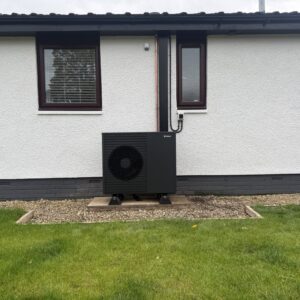
No. Gas, oil, LPG and electric storage heater homes can all use it for a heat pump. We’ve already swapped gas, oil and storage heaters for heat pumps around the Forth Valley and Perthshire.
Want to know what a heat pump would cost you?
Get a quick online estimate for your home, or talk it through with us. We’ll help you work out the grant and finance options too.
See what our customers did

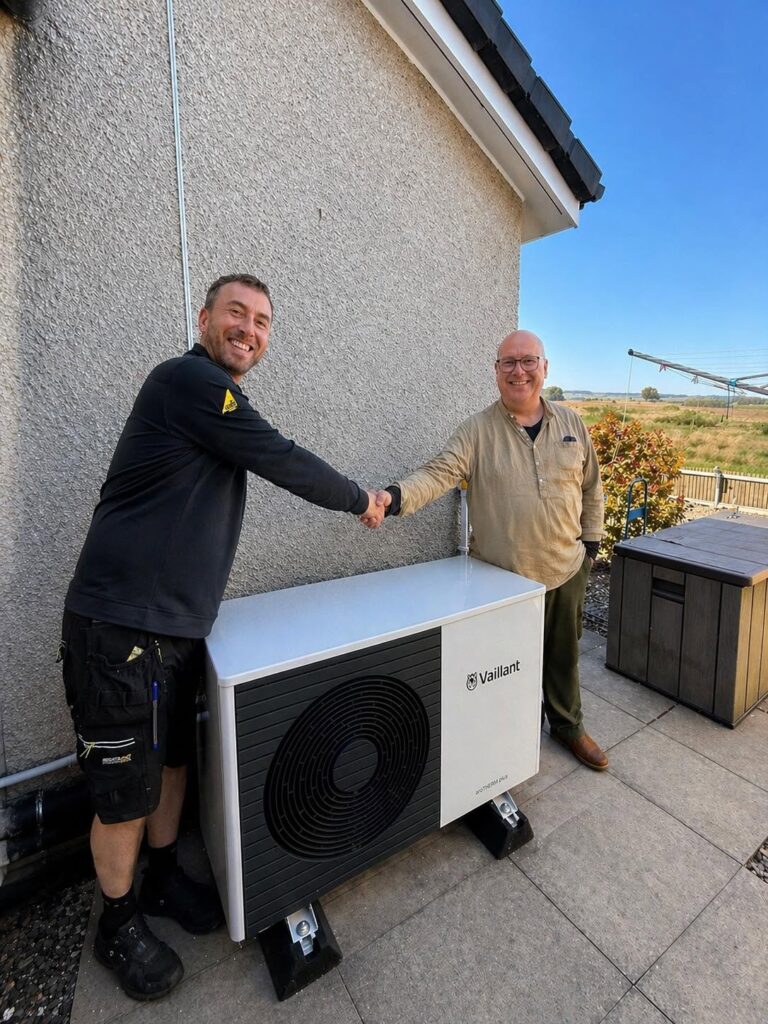
Still on oil? Read our guide to switching from oil to a heat pump. You can also see all our case studies or read about our Heat Geek installations.
Sources, checked 19 November 2026: GOV.UK Warm Homes Loan Scheme factsheet (27 October 2026), eligibility and lenders pages; Home Energy Scotland grant and loan page. Lenders set their own terms. This guide isn’t financial advice.